



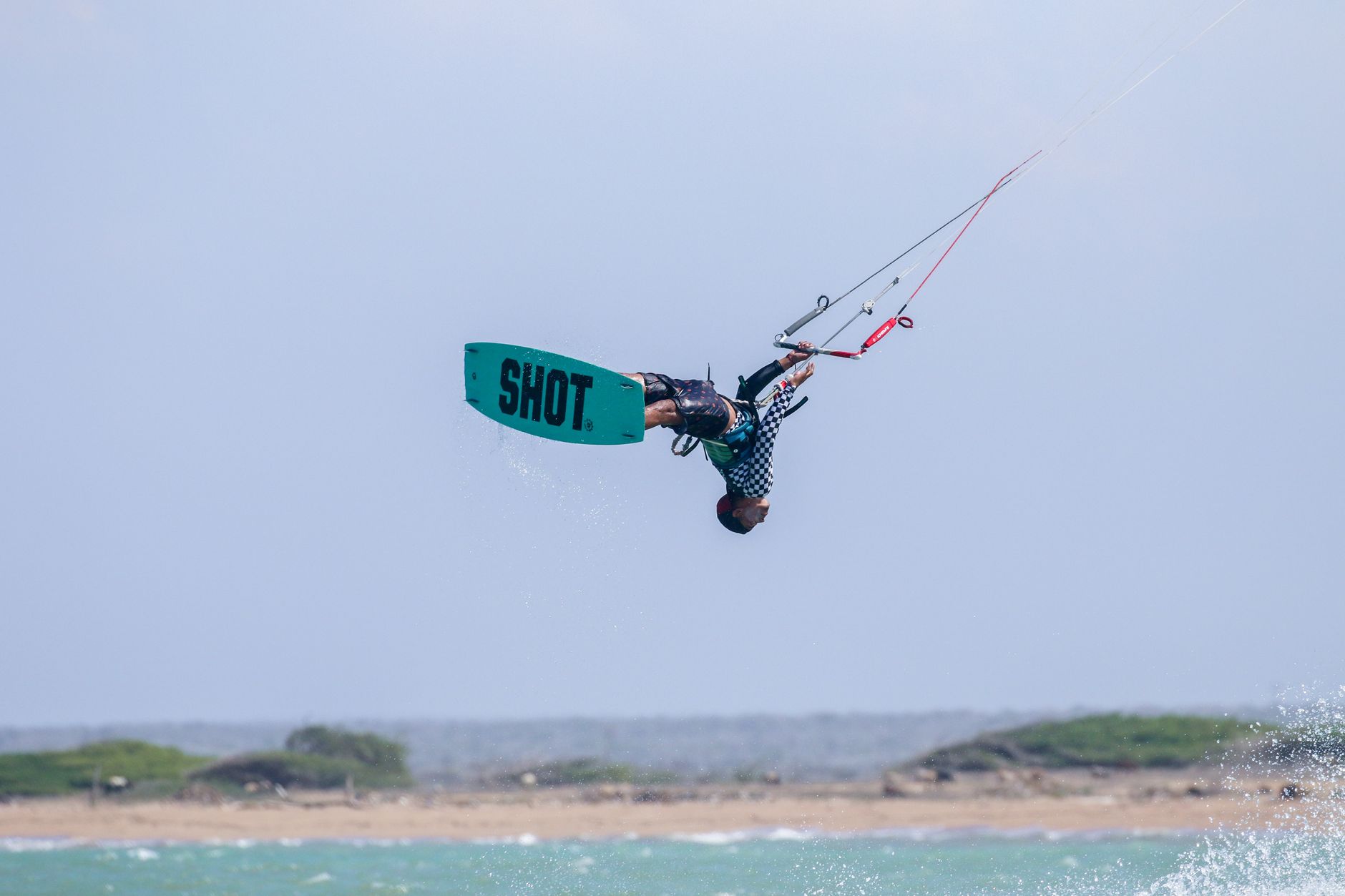
Your first day on the kite stays with you. Not because everything works right away, because it doesn’t, but because that one moment comes when the kite pulls and you realise: this is a completely unique way of playing with the wind. And anyone starting out on the Baltic Sea has it easier than many think.
Why the Baltic Sea is a good place to learn
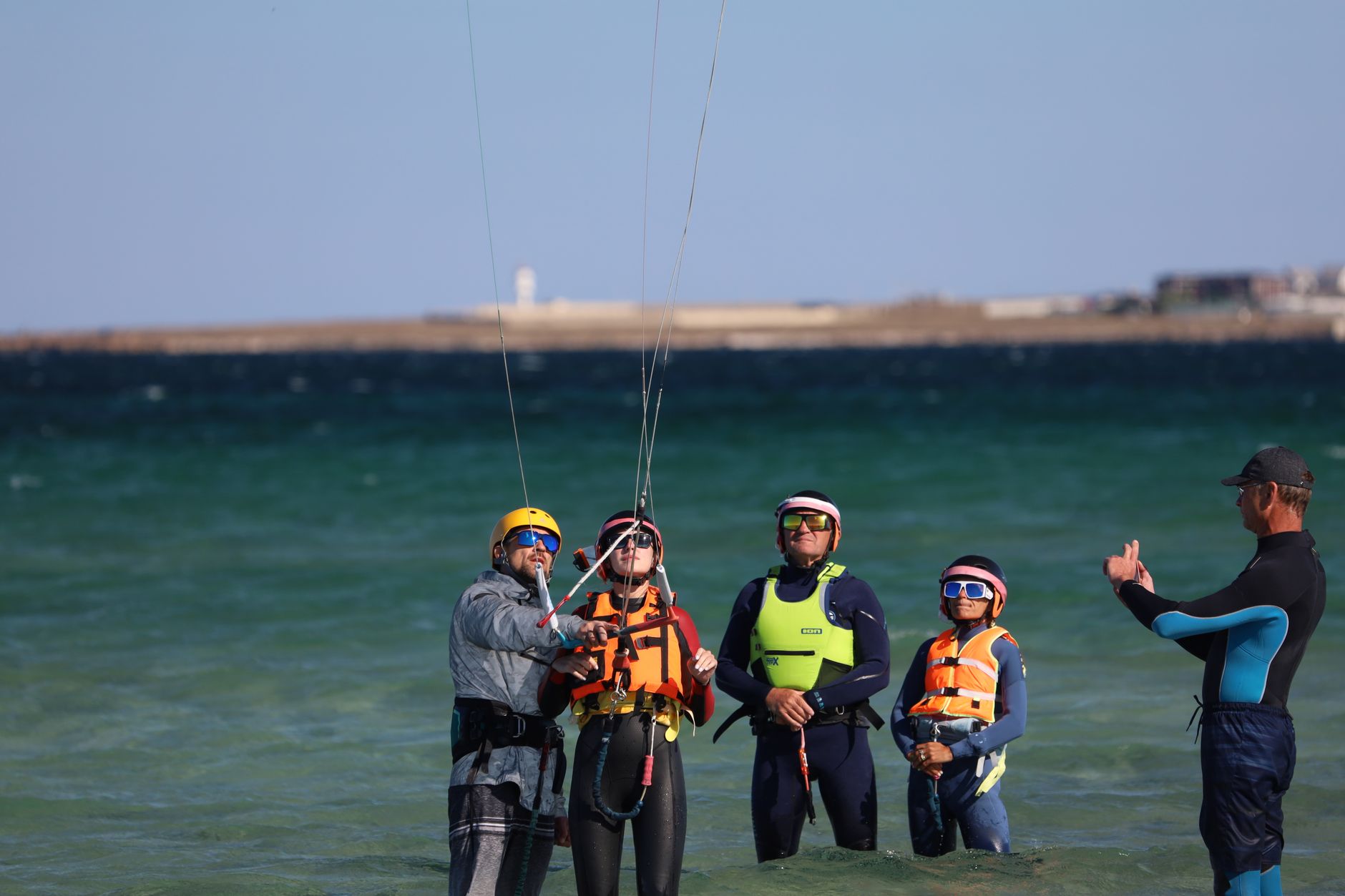
Many spots have shallow, standing-depth water. That takes off an enormous amount of pressure: you can practise calmly without constantly fighting against deep water. If you fall, you simply stand up, sort out the lines and carry on. It is exactly these short steps between a mistake and the next attempt that get you progressing quickly. On top of that, schools, rental shops and spots for every wind direction are all close together.
What you really need at the start
Less than the catalogue wants to sell you. For the first hours, borrowed gear and good instruction are enough. More important than the most expensive kite is that the kite size matches the wind, and that someone shows you how to launch and land safely. Harness and wetsuit first, your own kite comes later. We have written down honestly what getting started really costs in What kitesurfing really costs.
How your first course works
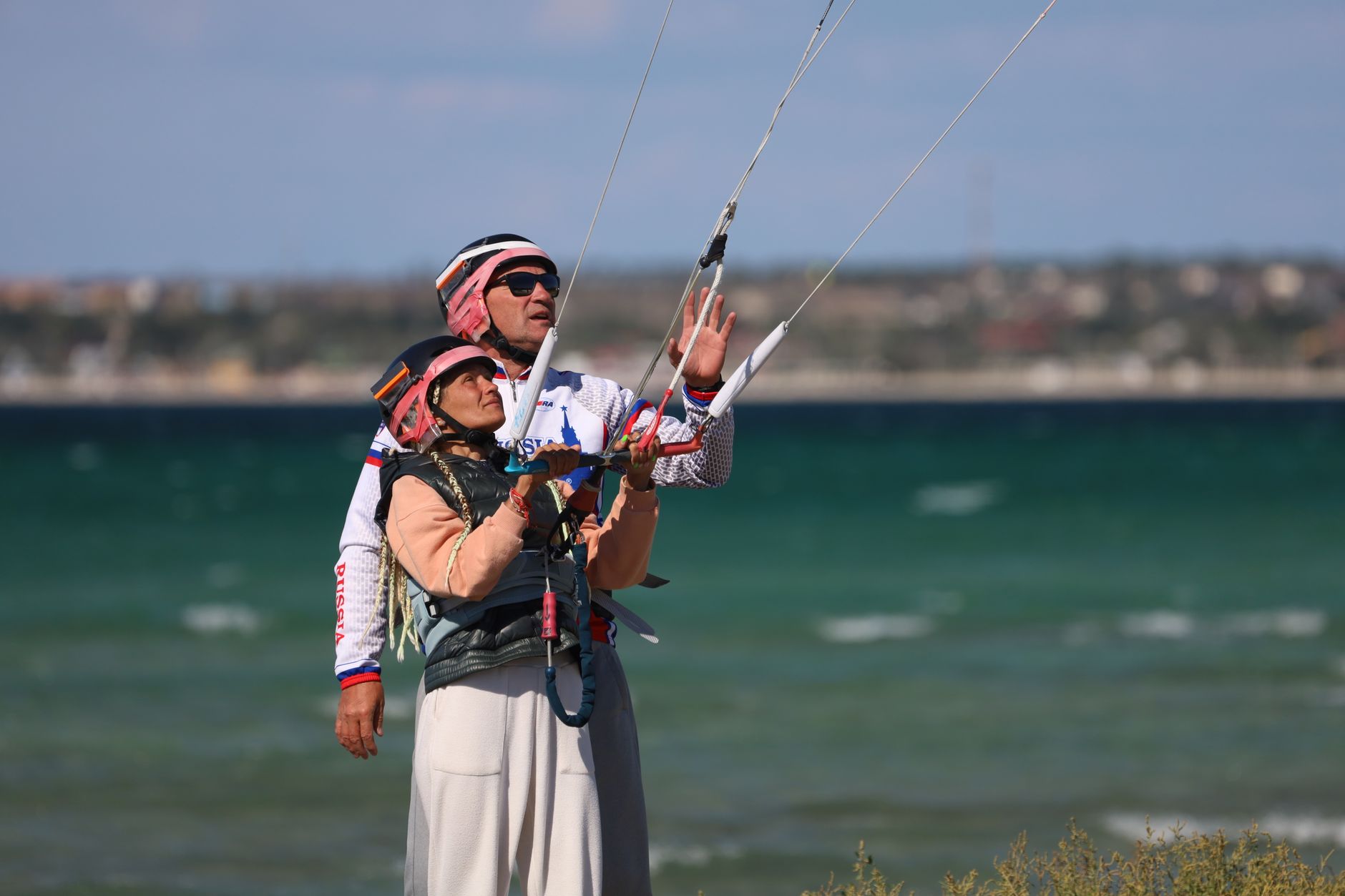
You don’t learn kitesurfing from the internet, you learn it at a school, and for good reason. A basic course over two to three days takes you safely through the most important steps: first kite control on land, then the bodydrag in the water, then the first water start. From the very beginning you learn to launch and land safely, instead of painfully teaching yourself. With the VDWS licence you can then rent gear worldwide.
Our advice: start small, take your time, and go out when the wind is right, not when the calendar says so. You will quickly learn to judge when there is enough wind, and our article When is there enough wind helps with that. If you want to take the first step, book a basic course at a kite school in your area, where they will get you safely out onto the water.