



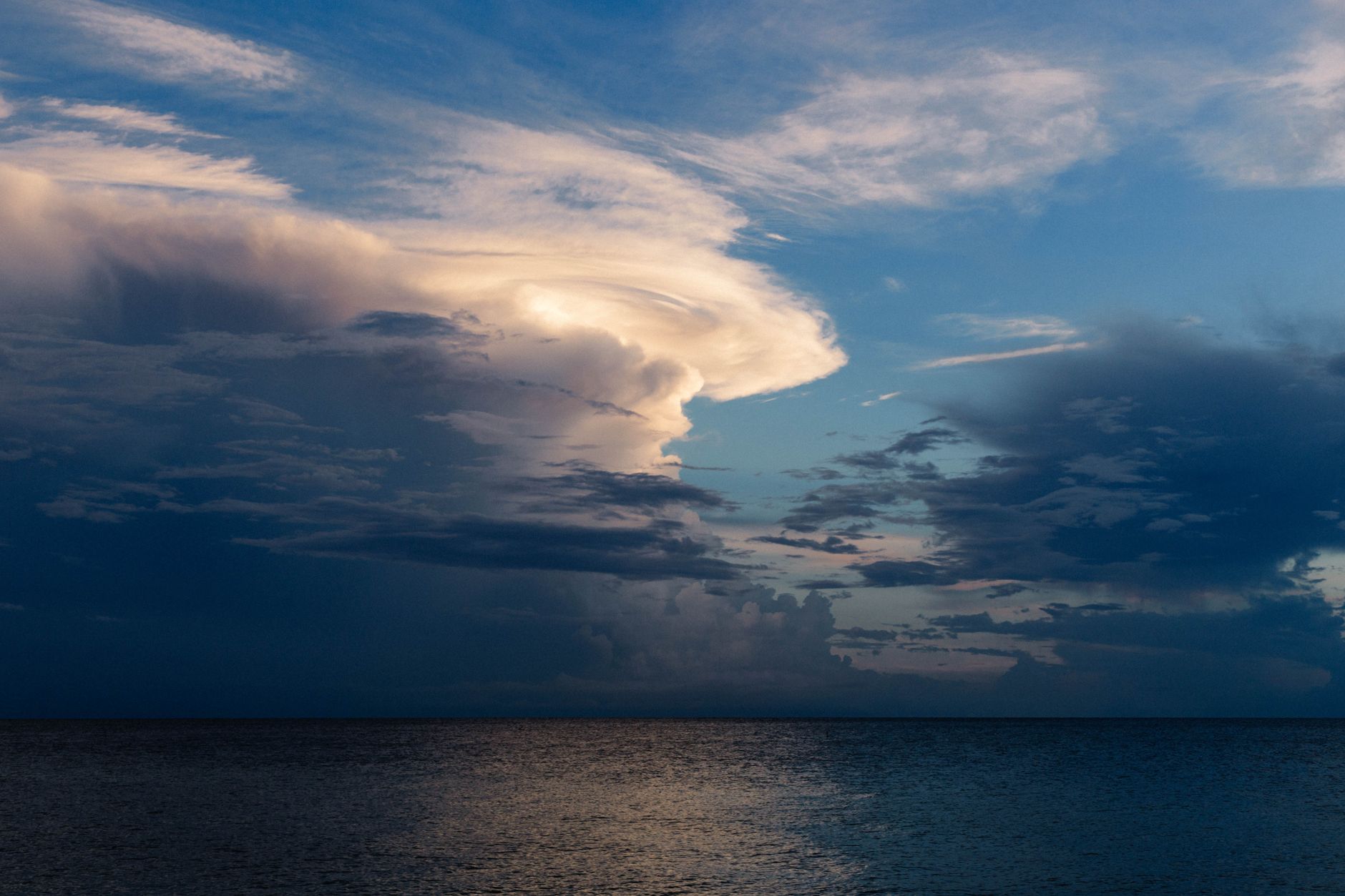
Wind is your friend, a thunderstorm is not. When dark clouds build up, playtime is over and the gear belongs on land. It sounds strict, but it is vital. We explain why, and how to spot the change in good time.
Water and thunderstorms, a dangerous combination
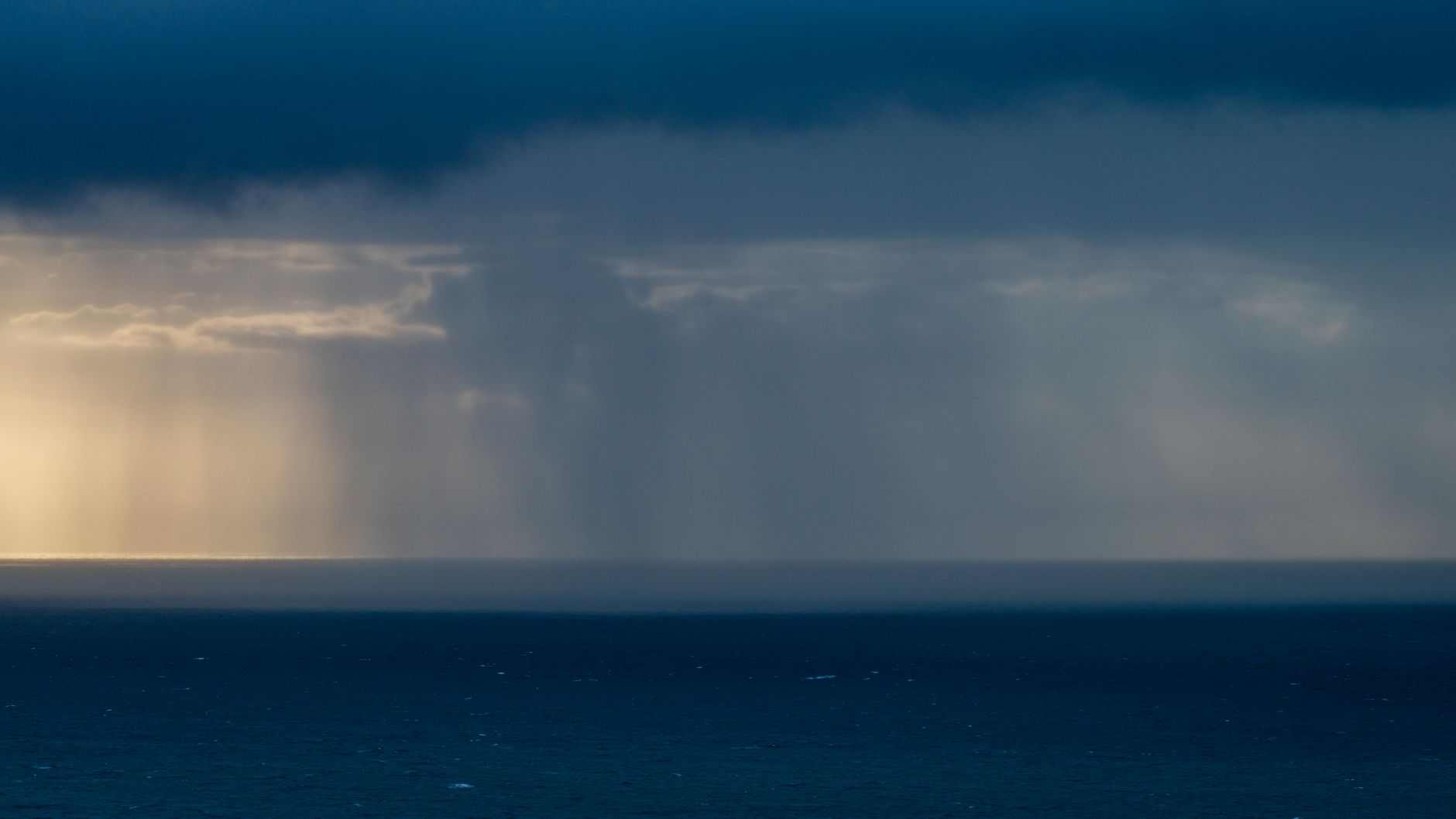
On the water you are the highest point for miles around, and your kite with its lines acts like an antenna. If lightning strikes the water, the current spreads out over a wide area and is still dangerous some distance away. Add to that the violent gusts that a thunderstorm pushes ahead of it, the so-called downbursts, which can completely overwhelm you and your kite. In short: thunderstorms and kiting do not go together at all.
The 10-kilometre rule
A simple rule of thumb helps you react in time. If you hear thunder, the storm is usually already closer than ten kilometres, and that is the signal to stop immediately. Do not wait until the first gust arrives, because by then it is often too late. Secure your kite, get out of the water, away from masts, the bar, and anything metal, and find a sheltered place. Better to end a session too early than too late.
Spotting the change early

Best of all is to never let it come to that. Check the forecast before every session, especially on muggy summer days when storms build up in the afternoon. On the water, keep your eyes open: dark, towering clouds on the horizon, a sudden drop in temperature, or wind that turns and freshens in jerks are clear warning signs. When in doubt, the rule always holds: better too cautious than too bold.
The weather on the coast can change quickly, and a thunderstorm is the one situation where there is no debate. Keep an eye on the sky, take the thunder seriously, and get out early. The wind will be back, and you want to be there for it. In the course we also practise how to read the weather signs correctly.