



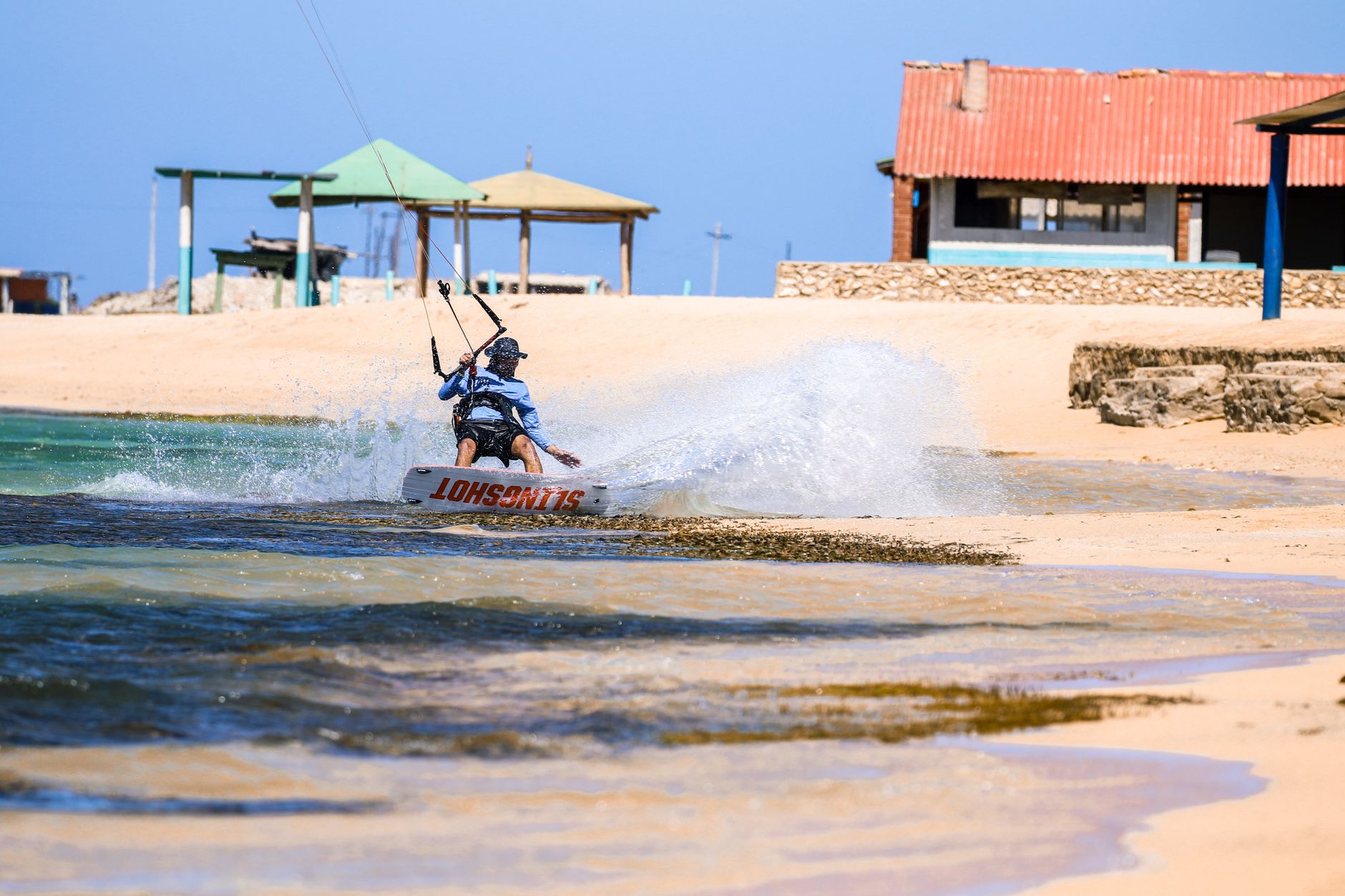
The harness is the piece that takes the pull off your arms when kiting and transfers it to your body. Without it, your arms would be dead after five minutes. When buying one, you face the question: waist harness or seat harness? Both have their fans, and which one fits depends on you and your riding style.
What the harness actually does
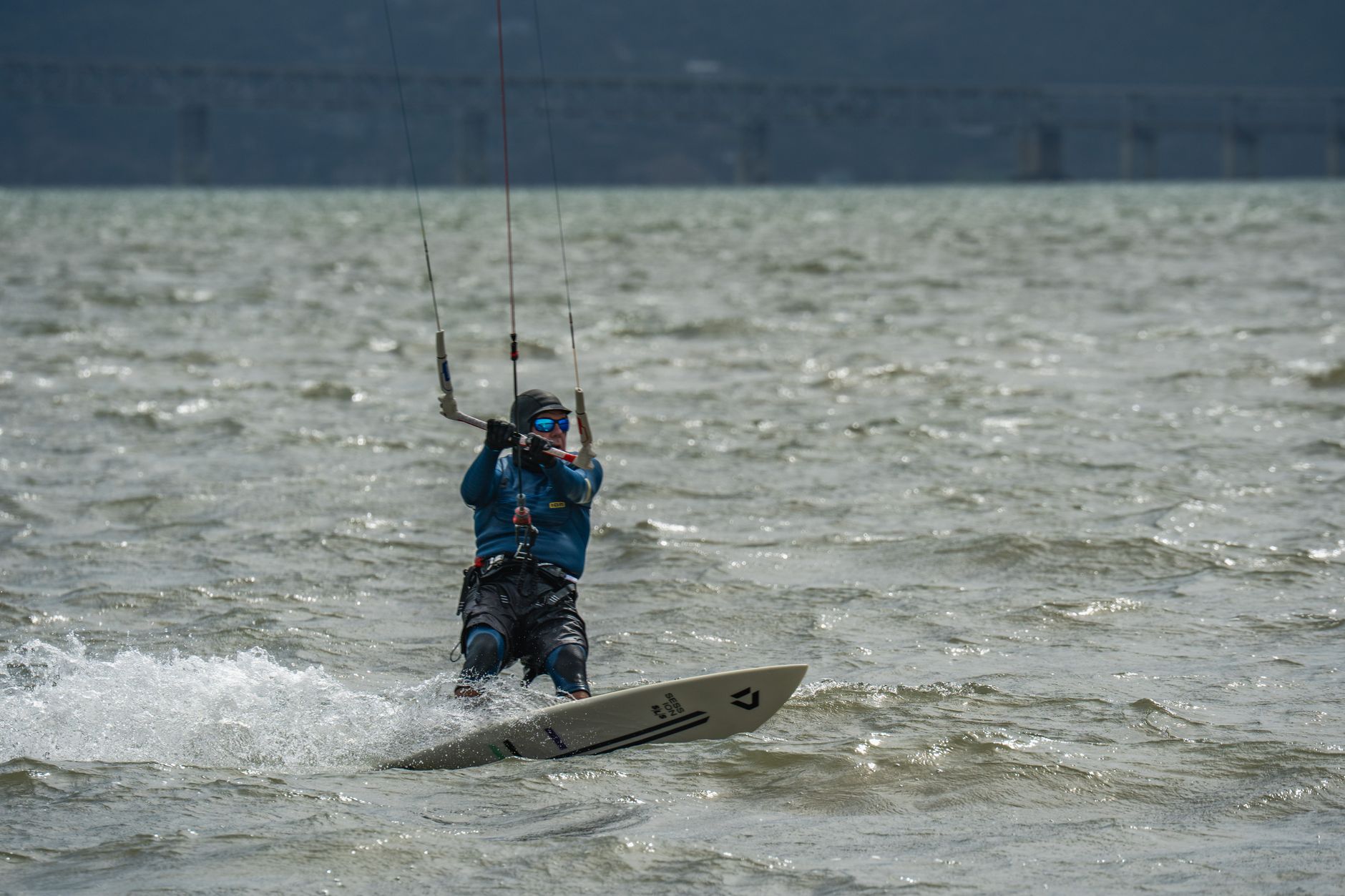
A quick word on how it works: into the hook at the front of the harness you clip the so-called chicken loop of the bar. That way the kite no longer pulls on your arms, but on your hips or your pelvis. Your hands then only steer, instead of holding all the force. Which harness takes up that pull is a matter of taste and, above all, of comfort.
The waist harness, the agile all-rounder
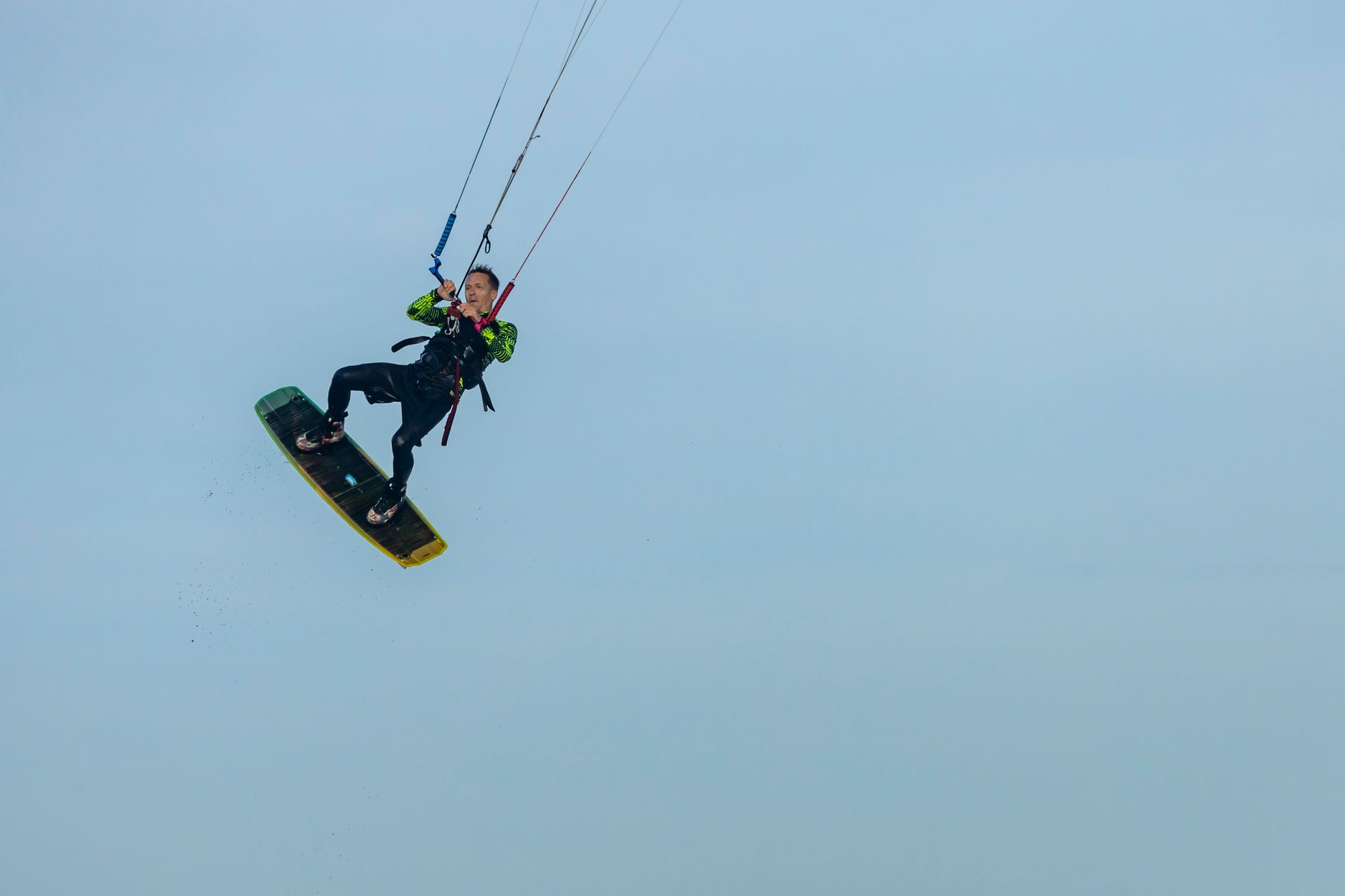
The waist harness sits around the waist and is by far the most common type. It gives you a lot of freedom of movement, which matters above all for jumps and freestyle. The only catch: with some people it slides up under load, though good models with a firm back panel prevent that. For most kiters, and for almost everything you have planned on the Baltic, the waist harness is the right choice.
The seat harness, the comfortable hold
The seat harness has additional leg straps, so it sits lower on the pelvis and cannot ride up. That gives enormous hold and relieves the back, especially with a lot of pull and on light-wind days. Many beginners, and everyone who simply wants to cruise in a relaxed way, love it for that. The price is a little less freedom of movement, which is why it is less popular for tricks. For learning, though, it is a very pleasant choice.
Waist or seat harness is not a question of right or wrong, but of comfort and riding style. If you want to jump and stay agile, take the waist harness. If you are after a comfortable hold for cruising and learning, the seat harness is fine. The best thing is to try both once; many schools and rental stations at the spot let you test harnesses before you buy.