



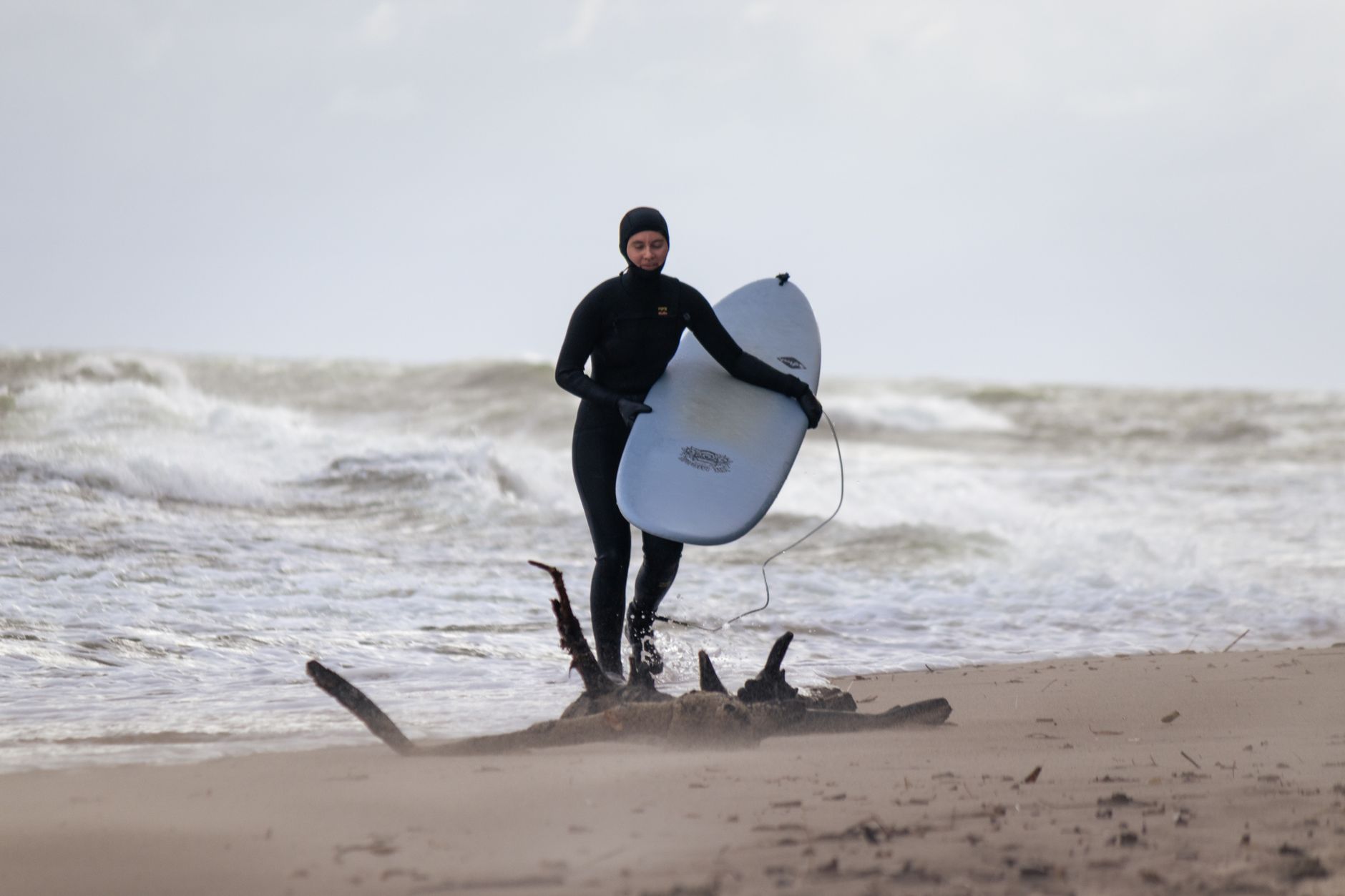
The Baltic Sea makes things easy and hard at the same time. Easy, because the spots are shallow and getting started is gentle. Hard, because the water often stays colder than the sun promises. Anyone who goes out in the wrong suit is shivering after twenty minutes and heads home frustrated. In the right wetsuit, on the other hand, you stay in for hours and barely think about the cold. Here is what matters.
Why the Baltic Sea tricks you
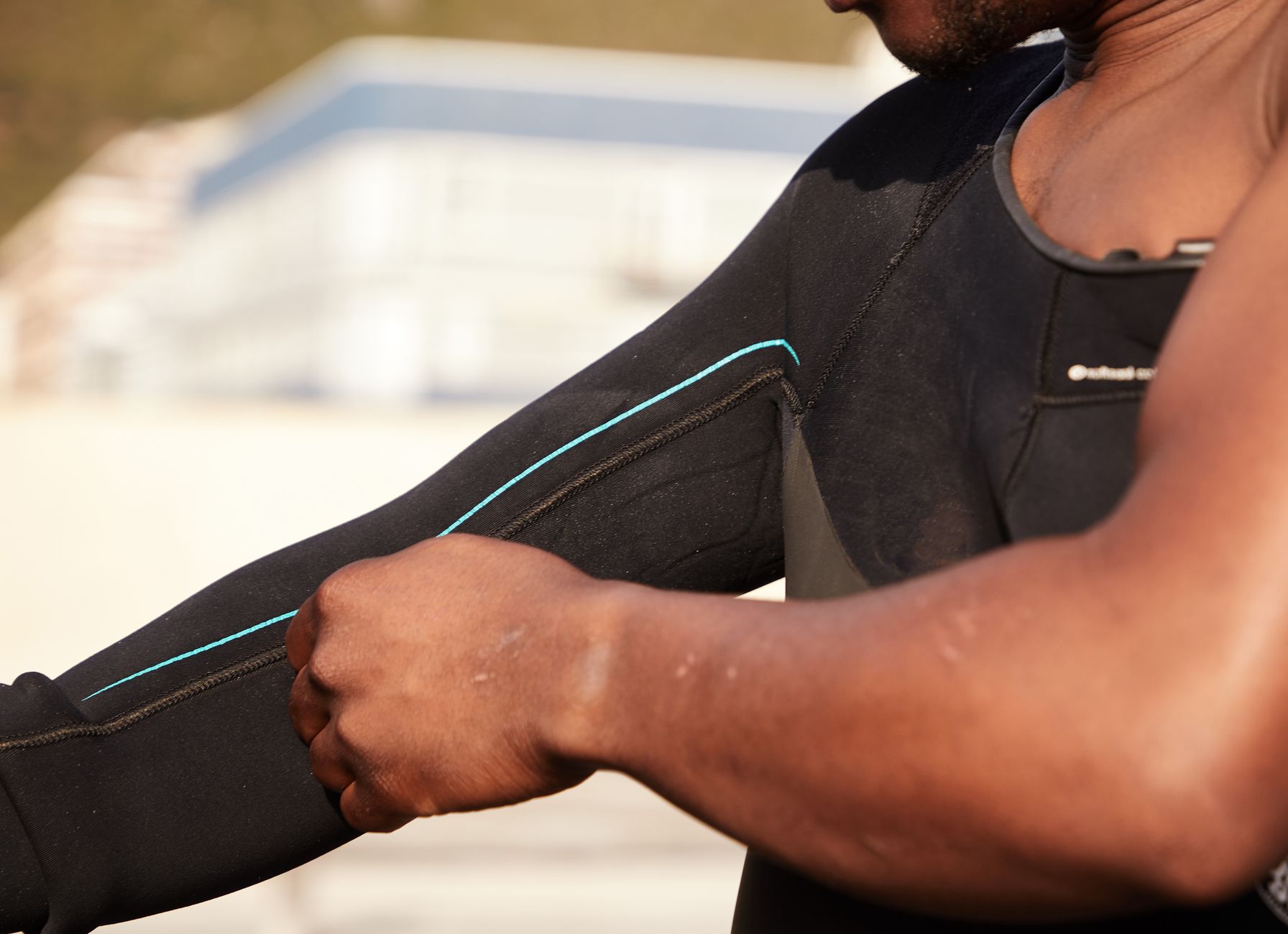
On a sunny day in May you stand on the beach, the air is a pleasant twenty degrees, and you think the water surely can’t be that cold. It can. In May the Baltic Sea is often only twelve or thirteen degrees, in April sometimes single digits. The sun warms your back, yet the water still pulls the heat out of your body. That is exactly why your suit is never chosen by the air, but by what lies beneath you.
Then there is the wind. When kiting and winging, the apparent wind cools you down on top of that, and when wave riding you spend half the time lying in the water. Both mean the same thing: better to dress a touch warmer than too thin. Being cold is no fun, and it costs safety, because clammy fingers eventually can no longer grip the bar properly.
The simple rule of thumb
You don’t have to be a gear nerd. Just remember the two numbers on the suit: the first means the thickness on the torso, the second the one on arms and legs. The colder the water, the thicker. Across the year you cover the most ground on the Baltic Sea with a good four-three suit, in high summer a three-two is enough, and in winter it can get really thick.
| Month | Water (approx.) | Suitable wetsuit |
|---|---|---|
| May | 12 to 14 degrees | 4/3 mm, plus boots |
| June | 14 to 16 degrees | 4/3 mm |
| July and August | 17 to 20 degrees | 3/2 mm |
| September | 15 to 17 degrees | 3/2 to 4/3 mm |
| October | 11 to 15 degrees | 4/3 mm, often with a hood |
| November to April | 2 to 11 degrees | 5/4 mm, full gear |
The table is a starting point, not a law. If you get cold quickly, reach for the thicker option. If you run hot, you can often get away with less. Try out in your own time what suits you, and remember your comfort values for the next season.
Hood, gloves, booties: from when
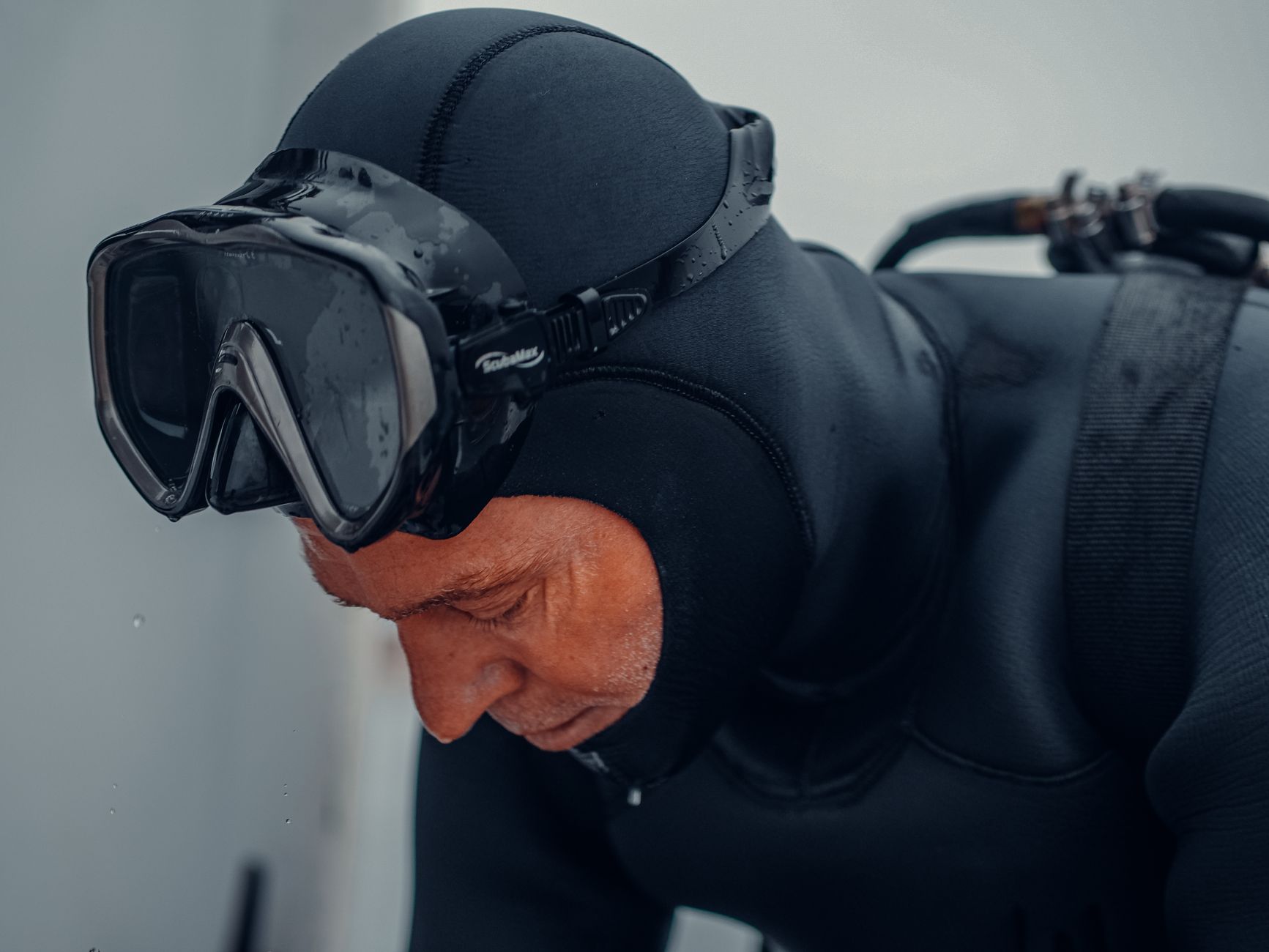
Booties are almost always worth it on the Baltic Sea. They keep your feet warm and protect against stones and shells when you walk across the shallow water to the spot. A hood comes into play as soon as the water drops below about fourteen degrees, because most heat is lost through the head. Gloves you need from around ten or twelve degrees.
It sounds like a lot of stuff, but it is the whole difference between a short shivering round and a long, happy session in April. Especially in spring, when the wind is at its best and the water is still icy, these three small pieces make your day.
Our advice: plan by the water, not by the calendar, and when in doubt pack the hood. Then nothing stands in the way of the next cold, crystal-clear Baltic session. And if you are unsure which suit fits your day, ask a kite school in your area, with a course you usually get the right gear thrown in.